Calluses and standing work: prevent rather than file
 Health
Why hard skin forms, and why it returns
Skin responds to any repeated mechanical stress by producing keratin: hyperkeratosis. Sideways friction, vertical pressure, shear at every step: within weeks, the loaded zone hardens. Heel, outer edge, ball of the foot: the locations tell you exactly where your shoe is working badly.
That is why filing alone is never enough: you remove the consequence, the mechanical cause stays. Two weeks of service later, the callus is back in the same place.
Callus, corn, soft corn: a short glossary
- The callus: a broad, hard plate, typically on the heel or under the forefoot. Annoying but rarely painful at first.
- The corn: a small cone of keratin with a hard core, on or between the toes, pressing into the skin. Genuinely painful.
- The soft corn: a corn between two toes, softened by perspiration. The signature of toes squeezed against each other.
- Cracked heels: hard skin that has dried and split. Beyond discomfort, a fissure is an open door for infection.
Standing work multiplies everything
At 12-15 km a day, every equipment flaw is repeated tens of thousands of times. An approximate size, a badly placed inner seam, a foot sliding forward on every staircase: what would be harmless occasionally becomes a callus factory in professional use. Long-shift perspiration also softens the skin and increases shear.
Prevention starts with the shoe
- The exact size, checked at the end of the day: too small compresses; too big lets the foot slide and rub. Both produce calluses, in different places.
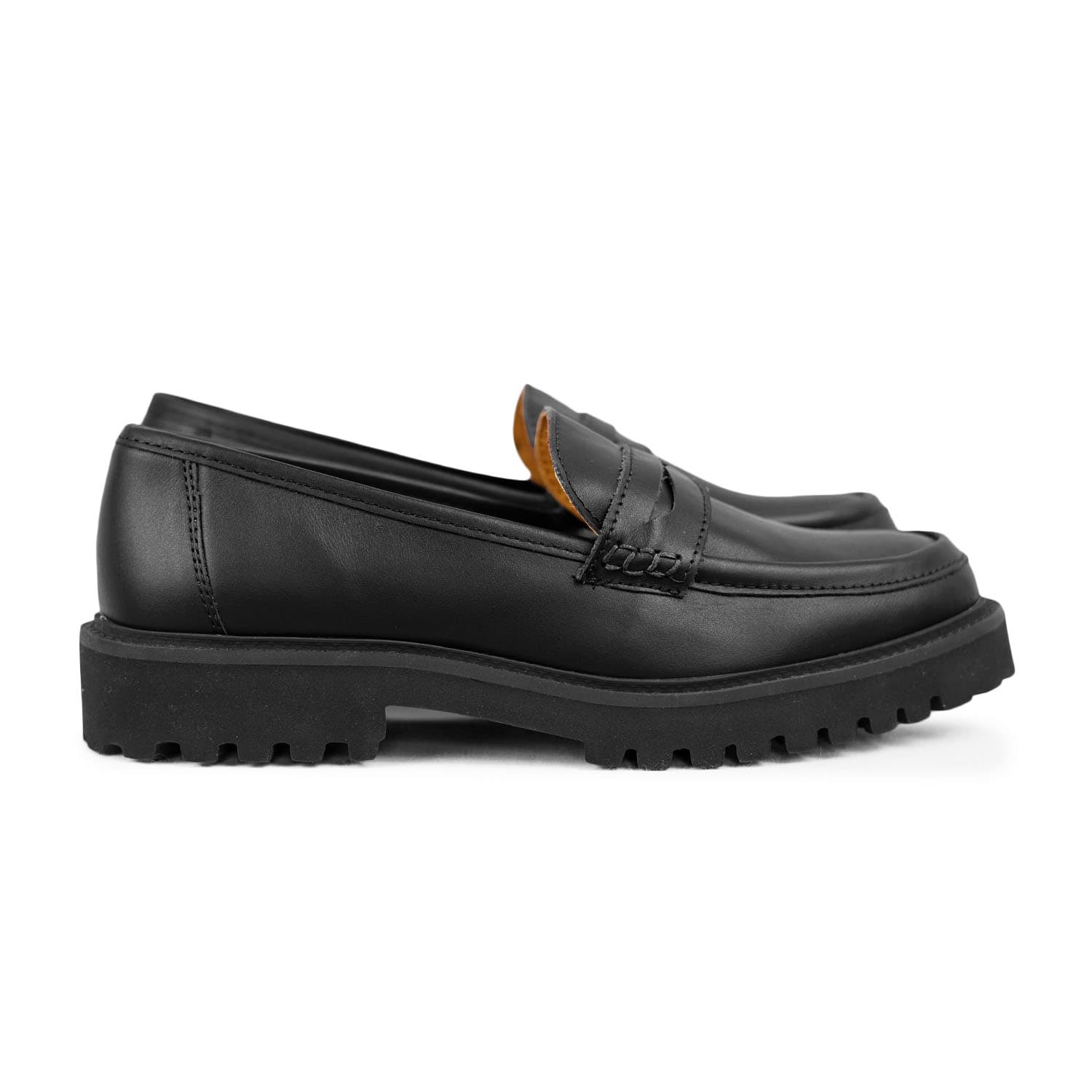
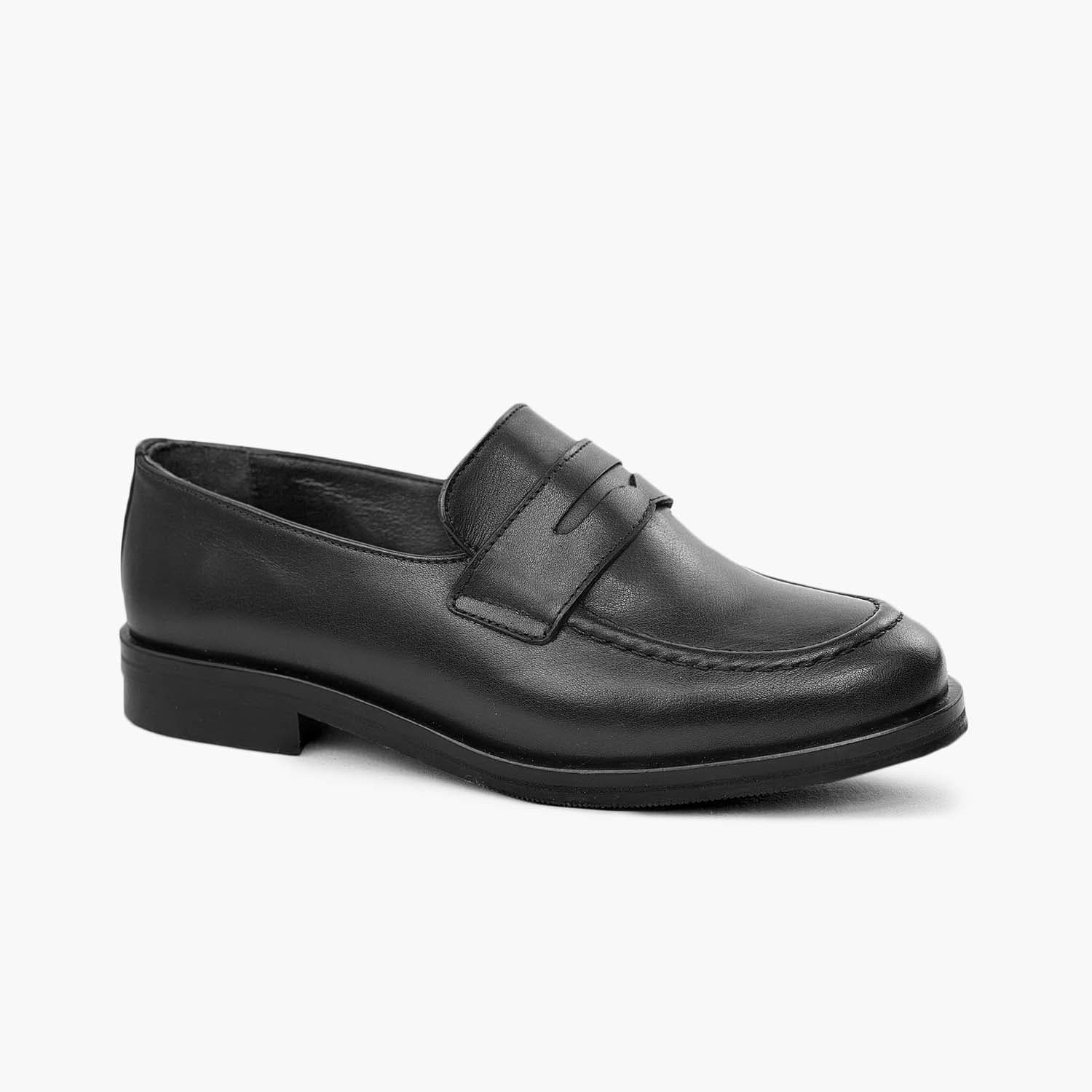
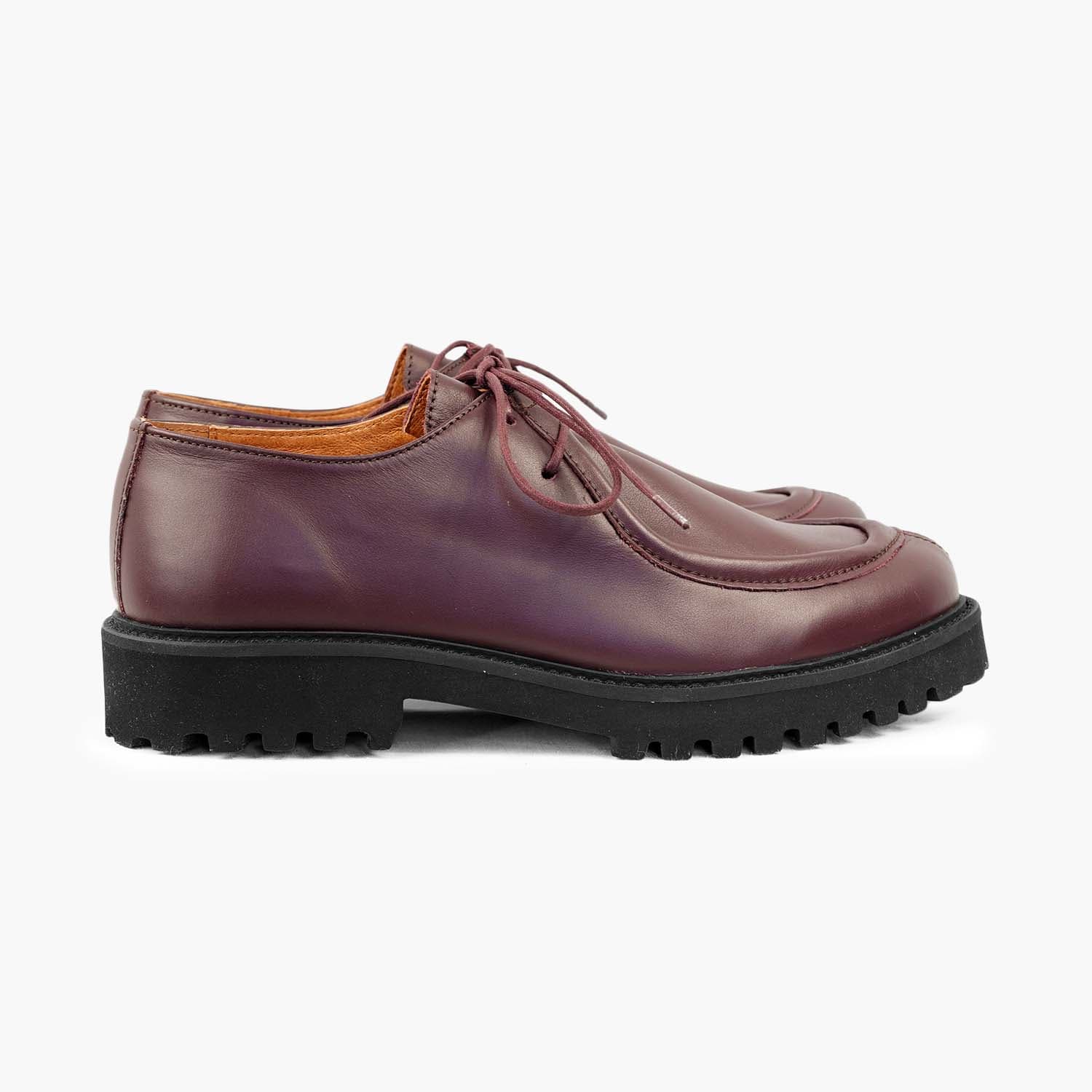
- Soft full-grain leather with a leather lining: it moulds to the foot, absorbs part of the moisture and reduces shear. Rough synthetic linings are rasps in a warm, damp environment.
- Clean inner seams: run your hand inside before buying. Any ridge you can feel with a finger, your skin will feel 15,000 times a day.
- A firm heel hold and adjusted lacing: the less the foot moves inside the shoe, the less it rubs.
- Seamless technical socks, changed daily (or at the break in sweaty roles): the cheapest anti-friction interface there is.
The home care that works
On an established callus, the effective routine is three gestures: soften (a 10-minute warm footbath, or simply after the shower), file gently (pumice stone, never down to pink skin), moisturise (a rich cream, ideally with urea, in the evening). Two to three times a week, no more: attacking the zone restarts keratin production.
Avoid metal graters and blades that cut into healthy skin, and dry picking. Salicylic acid corn plasters are for well-defined corns only, never on irritated skin, and never for people with diabetes.
Diabetes: the exception, without exception
If you are diabetic, never treat corns and calluses yourself: reduced foot sensation masks injuries, and the smallest wound can become seriously infected. Foot care then belongs to a podiatrist, generally with dedicated follow-up. It is the only absolute rule in this article.
When to see a podiatrist
Book an appointment if a callus becomes painful day to day, cracks (heels especially), returns very fast despite a correct shoe, or if a corn resists care. The podiatrist removes the keratin properly, and above all reads your pressure points: if the callus always returns to the same spot, an orthosis corrects the mechanical cause the shoe alone cannot fix.
For employers: hard skin is an indicator
Calluses that return quickly across a team wearing the same model signal an unsuitable fit: wrong last, aggressive lining, or sizes assigned in a hurry. Before renewing a full allocation, have two or three colleagues test the intended model in real conditions for two weeks. Feet deliver a more reliable verdict than any spec sheet.
Frequently asked questions
How do you remove foot calluses at home?
Soften the zone (warm bath or after the shower), file gently with a pumice stone without reaching pink skin, then moisturise with a rich cream, ideally with urea. Two to three times a week maximum. Never blades or metal graters, and no self-treatment if you are diabetic.
Why do my calluses always come back in the same place?
Because the mechanical cause has not been removed: inaccurate size, aggressive inner seam, a foot sliding inside the shoe or an unbalanced stance. Filing removes the consequence. If the callus returns quickly despite a suitable shoe, a podiatrist can analyse your pressure points.
Which work shoes prevent calluses?
The right size checked at the end of the day, soft full-grain leather with a leather lining, inner seams you cannot feel, a firm heel hold and seamless socks changed daily. The less the foot moves and rubs, the less keratin the skin produces.
Calluses and diabetes: what precautions?
No self-treatment: no aggressive filing, no corn plasters, no cutting instruments. Reduced sensation masks injuries and the infection risk is serious. Foot care for a person with diabetes belongs to a podiatrist, with regular follow-up.