Tingling feet at the end of a shift: what your shoes are trying to tell you
 Health
Why feet tingle after a day on your feet
A waiter, a head housekeeper or a nursing assistant covers 12 to 15 km per day, the equivalent of two and a half marathons a week. All that time, the foot is held inside a shoe, loaded with body weight, and the nerves that run through it are under constant demand.
Tingling (clinicians call it paresthesia) is the signal that these nerves, or the small vessels feeding them, are compressed or irritated. The pins-and-needles or numb sensation typically shows up at the end of service, the moment you take your shoes off, or at night.
The most frequent causes when you work standing
A toe box that is too narrow
The number one cause in professional settings. Toes squeezed sideways for 8 hours end up irritating the interdigital nerves. The foot naturally swells by 4 to 8 % over the day: a shoe that fits in the morning becomes compressive by the afternoon.
Laces tied too tight over the instep
The superficial fibular nerve runs across the top of the foot. Overtightened laces, especially over a thin tongue, compress it directly. The telltale sign: tingling concentrated on the top of the foot that fades within minutes of loosening the laces.
Prolonged static standing
Standing without walking (front desk, dish station, checkout) is harder on circulation than walking. Venous return slows, tissue swells, and pressure on the plantar nerves rises. Hard floors (kitchen tile, lobby marble) make it worse.
Morton's neuroma
A thickening of the nerve between the third and fourth toes, encouraged by narrow shoes. The typical sensation: an electric jolt, or the feeling of a pebble under the forefoot. We cover it in a dedicated guide, because it particularly affects people who work on their feet.
Causes that have nothing to do with shoes
Diabetes, vitamin B12 deficiency, nerve compression at the lower back or ankle (tarsal tunnel syndrome), certain medications: tingling can have a medical origin. In that case changing shoes will not be enough, and you should seek medical advice.
Tingling in one foot only: should you worry?
One-sided tingling is most often mechanical asymmetry: a preferred standing leg at the counter, laces tighter on one side, uneven sole wear. Look at your worn insoles: if one is clearly more marked, your stance is unbalanced.
However, if one-sided tingling persists at rest, travels up the leg, or comes with muscle weakness, see a doctor promptly: it can signal nerve compression at the lumbar spine (sciatica) that has nothing to do with the foot.
What properly designed work footwear changes
In the field, most end-of-shift tingling disappears when three conditions are met:
- A wide forefoot: toes must be able to spread flat without touching the sides. Check standing, at the end of the day, not in a shop in the morning.
- Soft full-grain leather: it moulds to the foot within days and follows the daily swelling, where rigid synthetics compress from the first day to the last.
- A cushioned insole and firm heel hold: fewer micro-shocks transmitted, less tissue inflammation, better circulation.
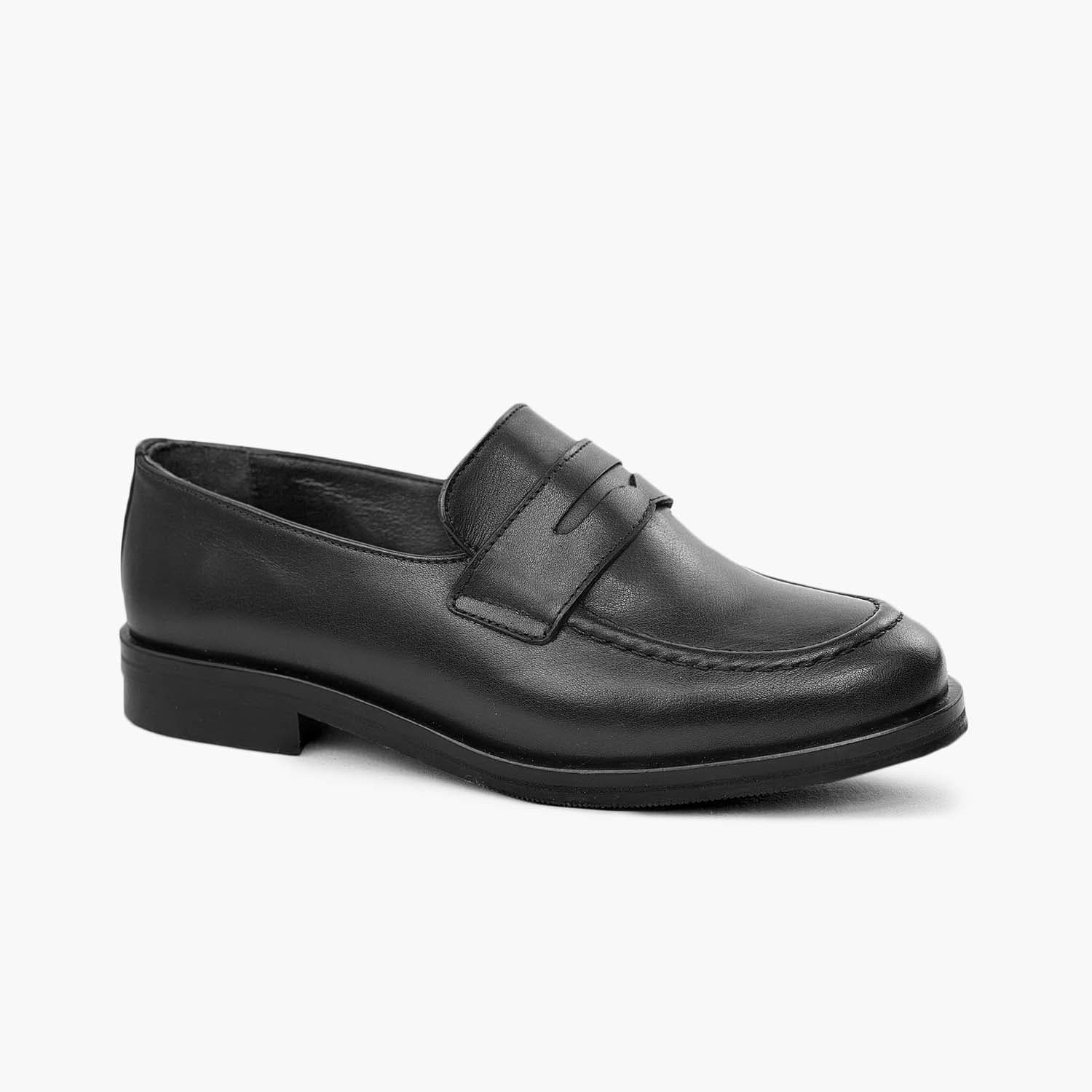
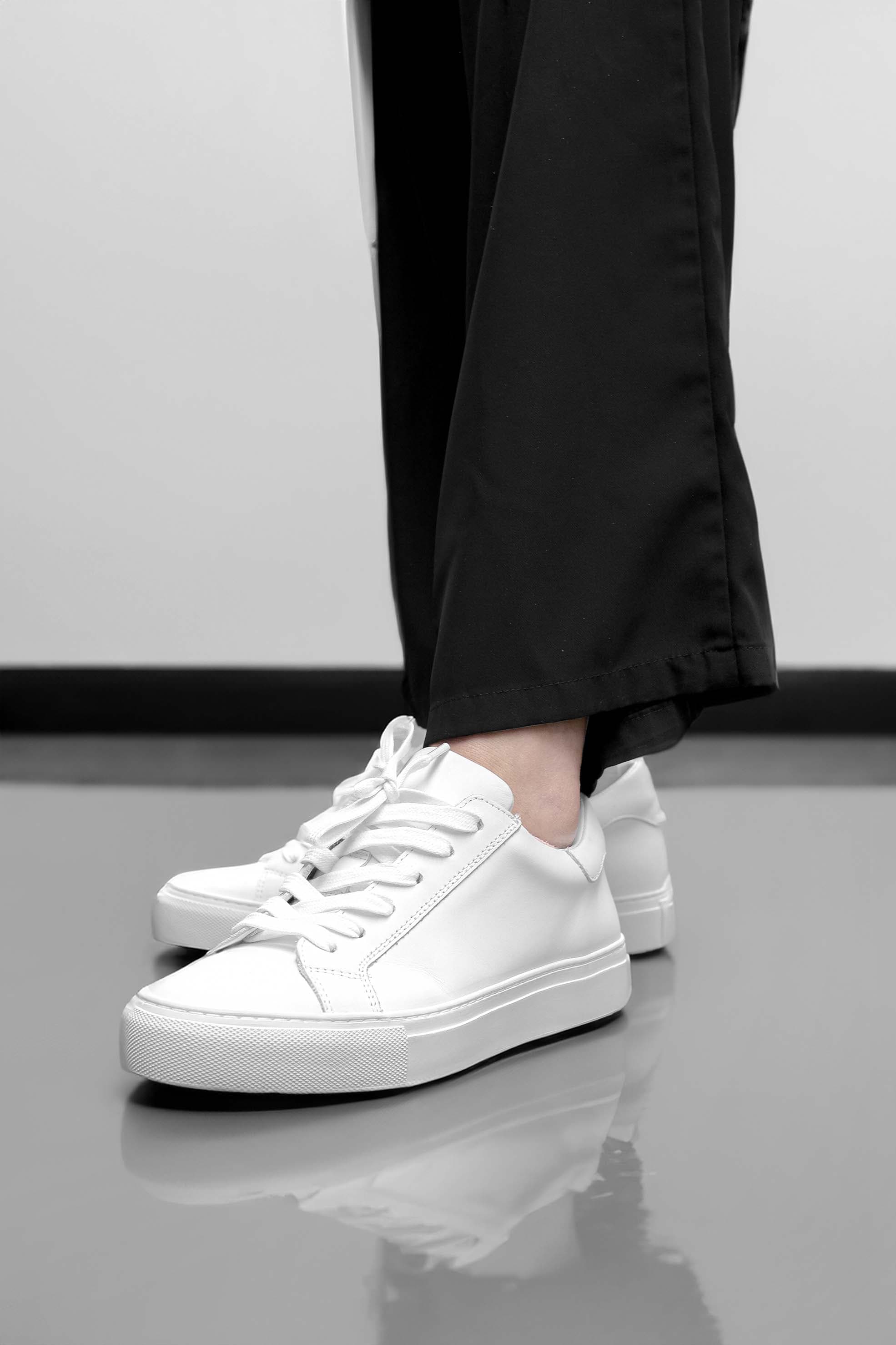
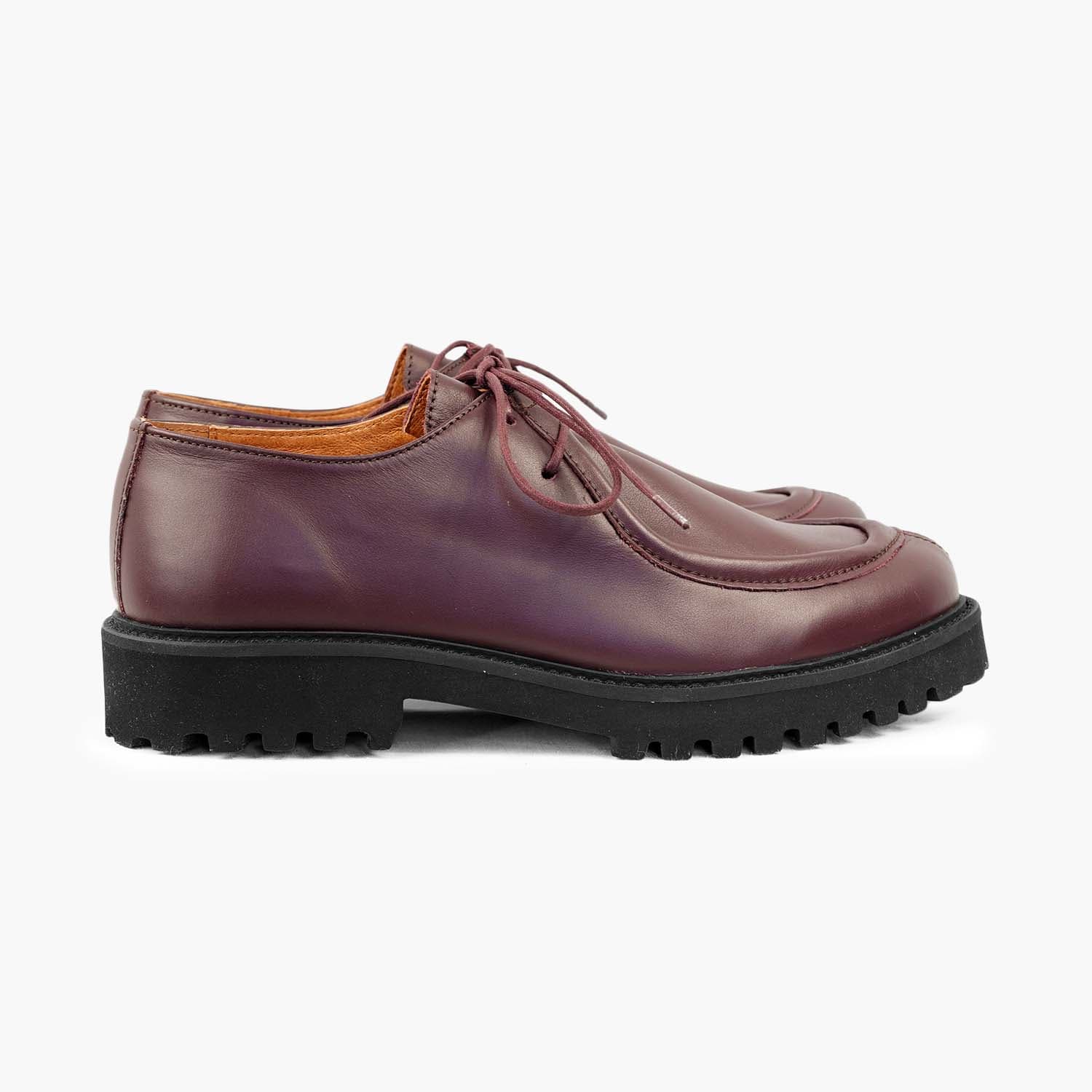
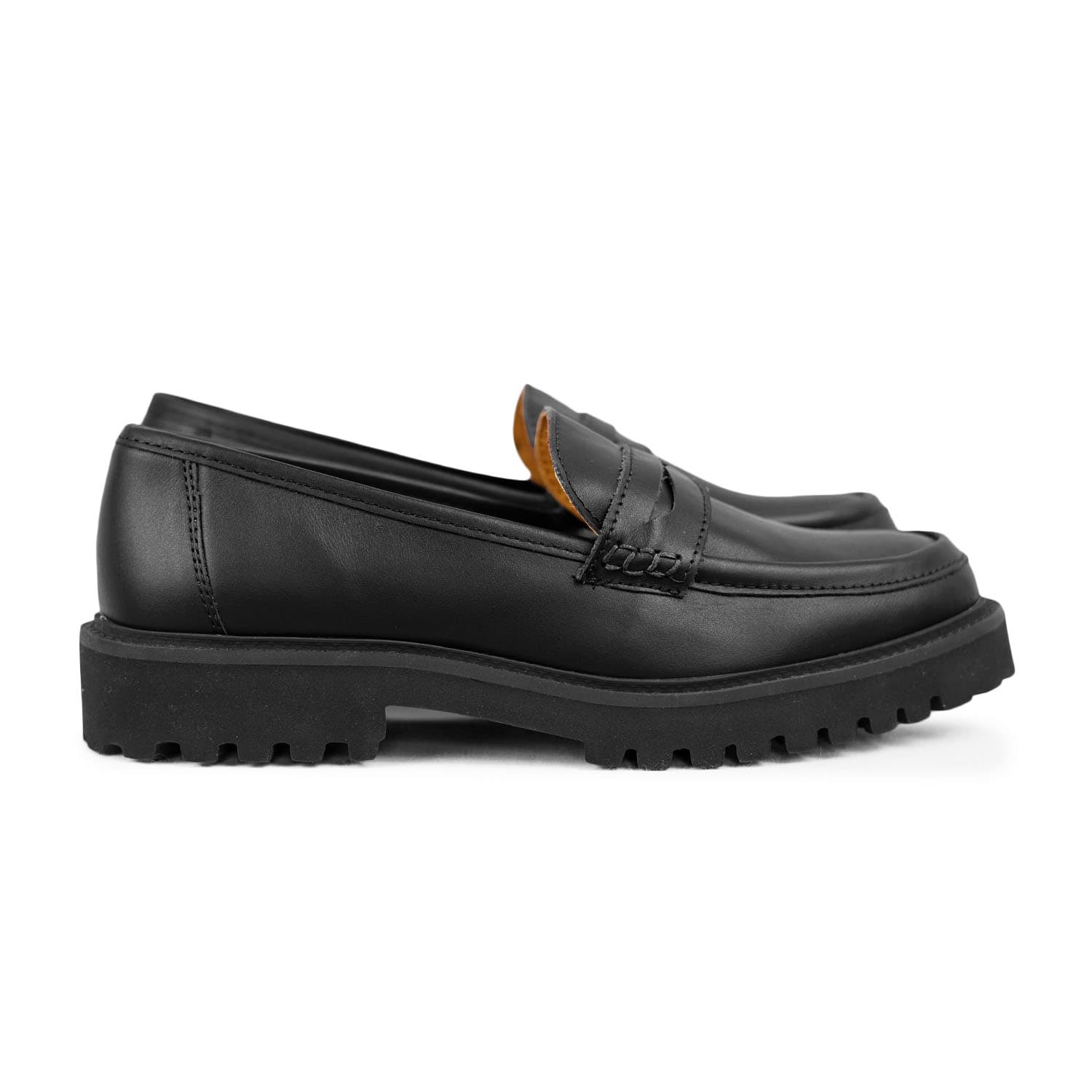
That is the specification of our models: full-grain leather from Portugal, a last designed for prolonged standing, and an SRC slip-resistant sole for kitchen and lobby floors. One pair is built for 3,000 km, roughly a year of intensive service.
Good habits during the shift
- Loosen your laces at the afternoon break: the foot has swollen since morning.
- Vary your stance: shift weight from one leg to the other, take a few steps whenever possible, rise onto your toes 10 times to restart venous return.
- Choose seamless socks without a tight cuff at the ankle: an elastic mark on the skin at the end of the day means compressed circulation.
- Alternate two pairs from one day to the next if you can: the leather dries, the insole foam recovers.
When to see a professional
Book an appointment (GP or podiatrist) if the tingling persists at rest or at night, spreads beyond the foot, comes with loss of sensation or strength, or if you are diabetic. For people with diabetes, any change in foot sensation deserves close follow-up: it is an early sign of neuropathy.
For team managers: a signal to take seriously
When several members of a team complain of tingling or quietly slip their shoes off at the end of service, it is almost always an equipment problem, not a constitution problem. The consequences are measurable: more fatigue, more micro-breaks, sick leave for musculoskeletal disorders.
Before re-equipping a whole brigade, test on a real case: one pair in the size of the person who complains most, two weeks of actual service, then their field verdict. That is the protocol we run with our hospitality clients, from Le Negresco to the Cheval Blanc maisons.
Frequently asked questions
Why do my feet tingle at the end of a workday?
In the vast majority of cases, because of compression: shoes too narrow for a foot that has swollen through the day, laces too tight, or static standing that slows circulation. If the tingling fades at rest, the cause is mechanical and can be fixed with the right equipment.
What does tingling in one foot only mean?
Most often an asymmetry in stance or lacing, visible when you compare the wear of your two insoles. If one-sided tingling persists at rest, travels up the leg or comes with weakness, see a doctor: the origin can be lumbar nerve compression.
Which shoes help against tingling feet at work?
A wide forefoot that lets the toes spread, soft full-grain leather that follows the foot's daily swelling, a cushioned insole and a well-held heel. Try shoes on at the end of the day, when the foot is at its maximum volume.
Is tingling in the feet serious?
If it appears after effort and fades at rest, it is benign and mechanical. See a doctor if the tingling persists at night, spreads, comes with loss of sensation or strength, or if you are diabetic.