Bunions at work: staying elegant without suffering through the shift
 Health
Hallux valgus, in two words
Hallux valgus is a deviation of the big toe towards the other toes, which pushes the joint at its base outwards: that is the bump known as a bunion. The deformity is partly hereditary, more frequent in women, and progresses over the years. Shoes do not create it, but they can worsen it and above all make it painful.
The pain comes from friction: the protruding joint presses against the side of the shoe, the bursa becomes inflamed, and every step is a reminder. Over an office day, it is unpleasant. Over a 10-hour service in a dining room, it is unbearable.
Why standing professions pay the highest price
Three factors add up in hospitality, catering and care work: walking volume (12 to 15 km a day), foot swelling through the shift (4 to 8 % more volume), and dress codes that historically impose slim, fitted shoes. The result: the bunion area is compressed harder, longer, more often.
The classic reflex (going up a size) solves nothing: the foot floats, slides forward, and the load lands precisely on the forefoot. The problem is width and softness, not length.
The 5 criteria of a compatible work shoe
- A wide, high forefoot: the joint must not be in permanent contact with the upper. The shape of the last matters more than the size.
- Soft full-grain leather: it softens and shapes slightly around the bunion within a few days of wear, creating a natural pocket. A rigid synthetic keeps its shape and rubs indefinitely.
- No seam or stitching over the bunion area: every seam is a hard point that concentrates friction.
- A low heel (2 to 3 cm maximum): every centimetre of heel shifts weight onto the forefoot, straight onto the painful joint.
- A cushioned, supportive insole: it distributes pressure so the big toe does not absorb every step alone.
What about the elegance the house requires?
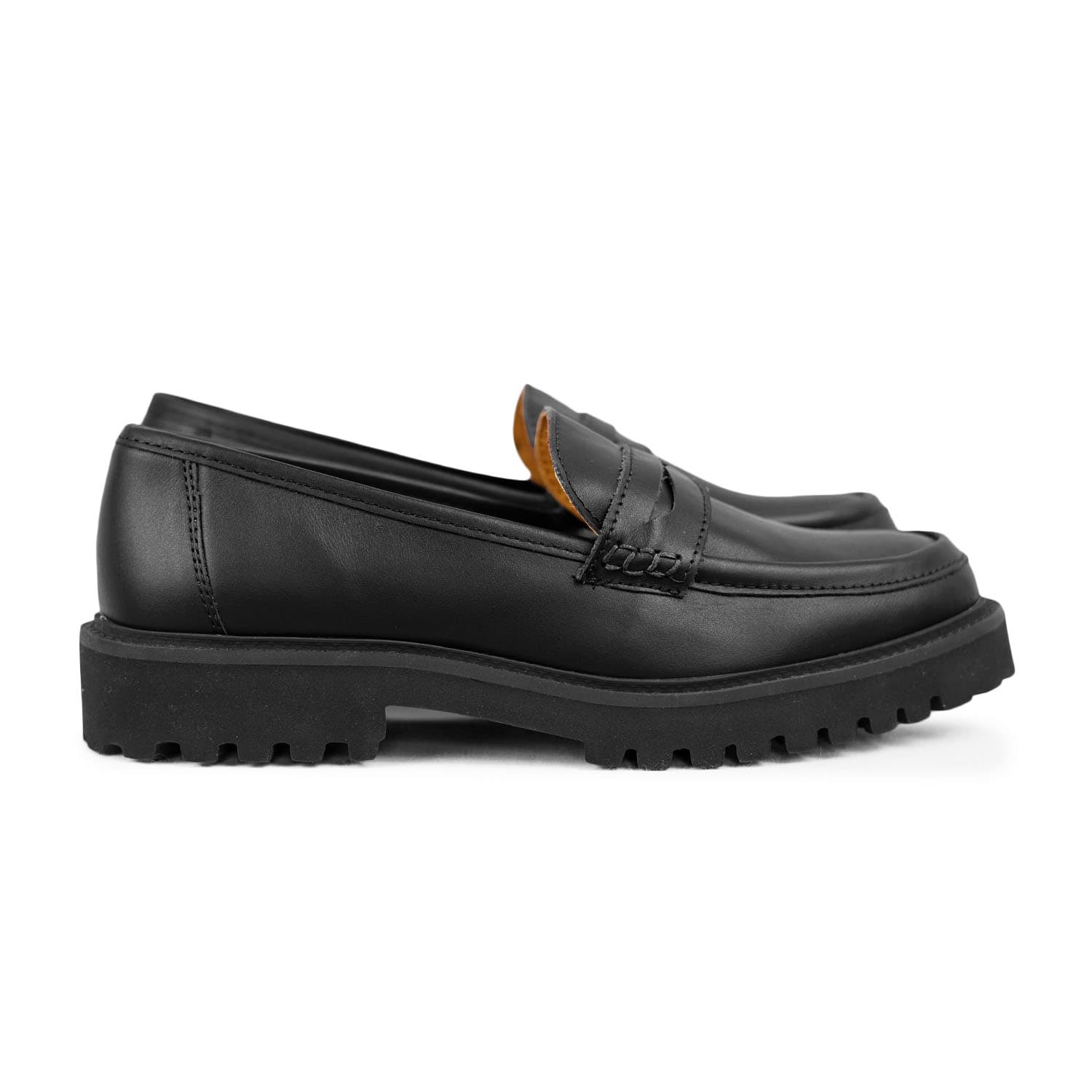
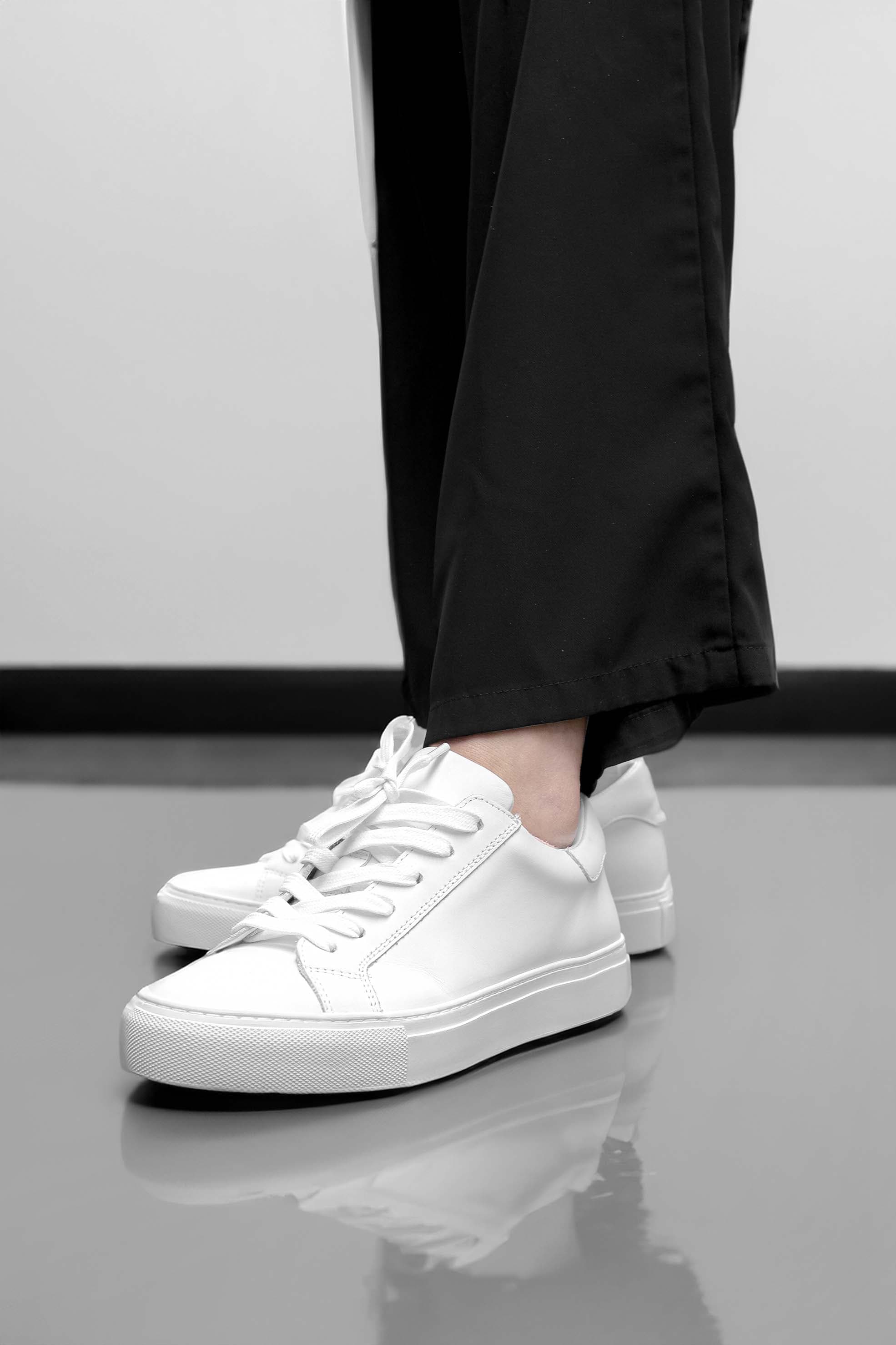
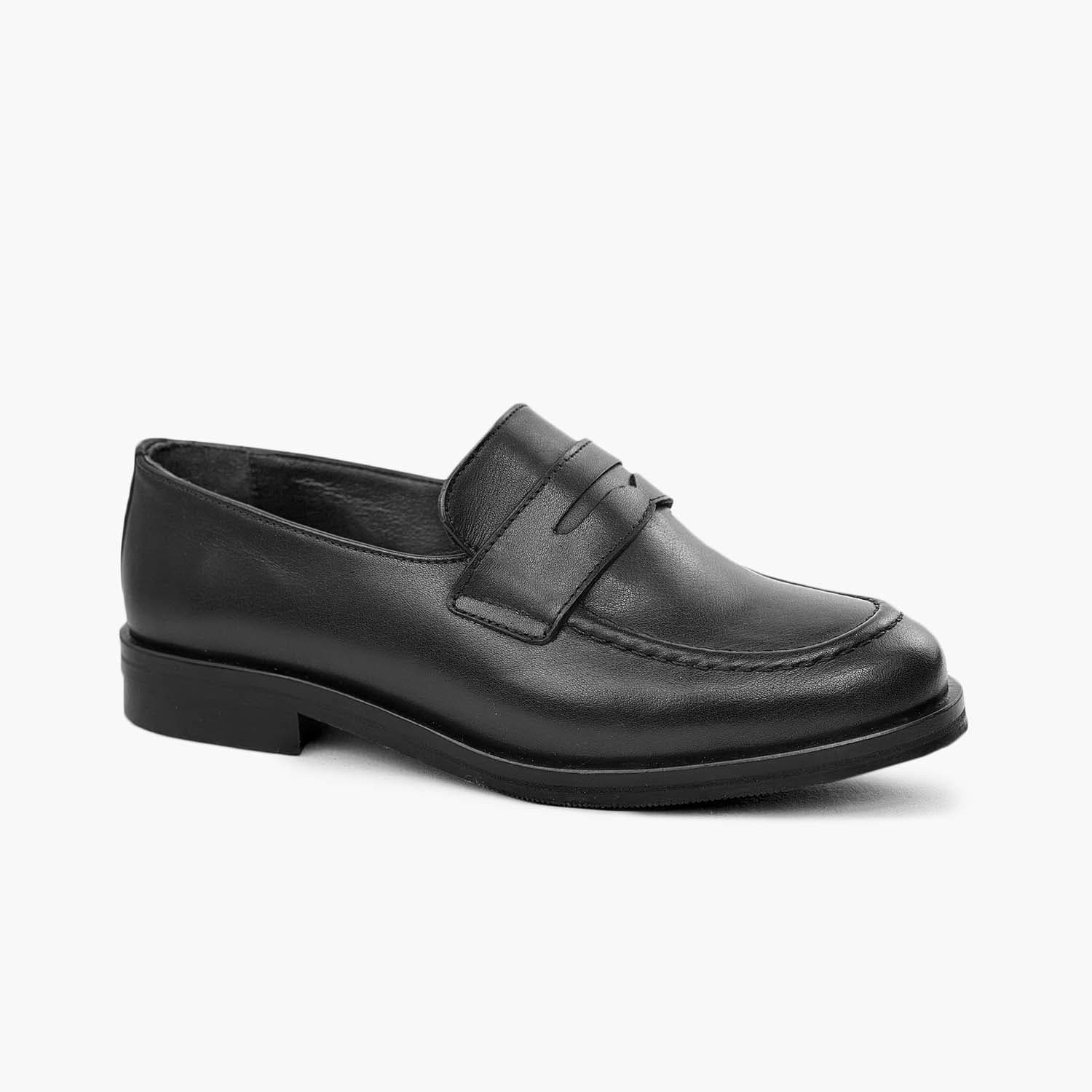
It is the objection we hear in every luxury hotel: "our teams must wear slim shoes". In reality, what the guest perceives is the overall line, the quality of the leather and how well it is kept, not the millimetres of forefoot width. A well-cut full-grain leather sneaker or loafer with a generous last looks more polished than a court shoe deformed by a bump it was never designed to accommodate.
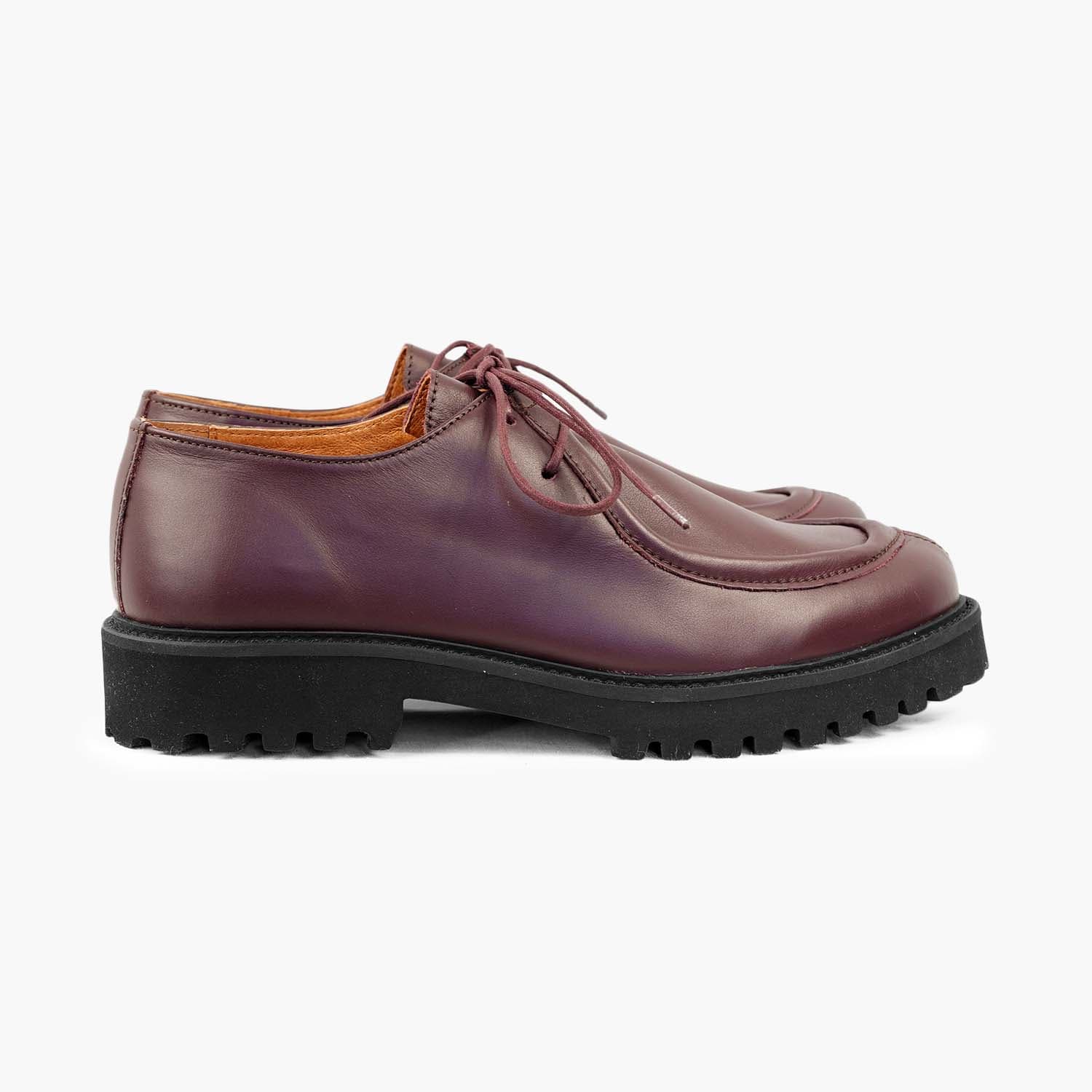
That is exactly the point of our models: a dress line compatible with luxury hospitality dress codes, a construction built for working feet, and laser engraving with the house logo. Le Negresco, Hyatt Paris Madeleine and the Cheval Blanc maisons adopted them without bending their standards.
Ankle boots, sneakers, loafers: what to choose?
The ankle boot question comes up for winter uniforms and concierge outfits. A boot can work if the upper is soft leather and the last leaves the forefoot free. Beware of tapered toes: fashion runs directly against anatomy.
The leather sneaker remains the most versatile option for service: a more generous forefoot, lacing that adjusts hold without squeezing, a cushioned sole. The loafer works if its shape is round and its leather soft, but its lighter hold suits roles with less walking.
What makes it worse, what helps
- Makes it worse: high heels, pointed toes, rigid materials, new shoes worn 10 hours straight with no break-in period.
- Helps: orthoses or toe spacers prescribed by a podiatrist, custom insoles (check that your work shoe has a removable insole to fit them), and alternating between two pairs.
- Does not correct the deformity: no shoe, insole or splint straightens an established hallux valgus. Only surgery corrects the deviation, and it is discussed with a specialist when pain resists everything else.
When to seek advice
See a podiatrist as soon as the pain becomes regular: they will assess the deformity, fit orthoses and monitor progression. If pain persists despite adapted footwear and orthoses, a foot surgeon's opinion lays out the options calmly, without urgency.
For head housekeepers and restaurant managers
In a team of 20 women, several live with a bunion, whether they mention it or not. Imposing a single slim-toed model manufactures absenteeism. Adding a wide-forefoot option to the uniform, at the same visual standard, costs less than a single day of sick leave.
Our protocol: a test pair in the size of the colleague concerned, two weeks of real service, then the decision. From 1 pair, no minimum order.
Frequently asked questions
Which work shoes should I choose with a bunion?
A wide, high forefoot, soft full-grain leather, no seam over the bunion area, a heel of 2 to 3 cm maximum and a cushioned insole. The width of the last matters more than the size: going up a size does not solve the problem.
Can you wear ankle boots with hallux valgus?
Yes, if the upper is soft leather, the shape round and the forefoot free. Tapered boots concentrate pressure exactly on the painful joint and should be avoided for long days standing.
Can a good shoe correct a bunion?
No. No shoe straightens the deviation: it can only remove friction and pain, and avoid accelerating the progression. Correcting the deformity is a surgical matter, to be discussed with a specialist if pain resists proper footwear and orthoses.
How do you reconcile a bunion with an elegant hospitality dress code?
By choosing a shoe whose elegance comes from leather quality and line, not narrowness. A full-grain leather sneaker or loafer with a generous last meets the visual standards of luxury houses while leaving the joint alone.