Shoes for nursing assistants and nurses: the field guide
 Health
10 to 14 km per shift, and nobody counts
A nurse on a hospital ward covers 10 to 14 km per 12-hour shift. A nursing assistant in a care home, between 8 and 12 km. These figures are comparable to catering, with one extra constraint: patient handling postures.
Carrying, lifting, transferring patients. That loads the back, the knees, the hips. And it all starts at the feet. If the shoe does not hold and stabilise, the body compensates. After 20 years of career, the body is tired of compensating.
The specific constraints of the medical environment
- Hygiene: floors are washed continuously with antiseptic products. The shoe must withstand them without degrading.
- Slip resistance: hospital floors are among the most slippery there are when wet.
- Comfort over 12 hours: not 8, not 10. 12 hours standing, sometimes more.
- Easy to slip on: in an emergency, every second counts.
- Cleanability: the shoe must wipe clean quickly in case of splashes.
What we see far too often
Crocs. Plastic clogs. Unrated sports trainers. The reasons are understandable: easy to put on and cheap. But they do not hold the foot, do not protect against slipping, and lose their shape within weeks.
Turnover in the care sector is already enormous. Musculoskeletal disorders are the leading cause of sick leave. Investing in footwear means investing in staff retention.
The selection criteria for care work
- SRC certification: floors are constantly wet, no compromise
- Leather lining: hygiene and moisture regulation over 12 hours
- Removable insole: compatible with orthotic insoles (many carers wear them)
- Full-grain leather: withstands cleaning products, wipes clean easily
- Firm heel hold: stability during patient transfers
Care home assistant, ward nurse: different needs
A nursing assistant in a care home strings together washes, transfers and changes: a lot of handling, floors that are often damp, constant movement between rooms and corridors. Heel hold and slip resistance come first.
A ward nurse walks more: the volume of kilometres and protection against splashes weigh more heavily. In both cases, a removable insole leaves room for an orthotic prescribed by a podiatrist, which is common in these professions.
Why it concerns employers too
Hospitals and care homes face the same issue as hospitality: providing footwear is a PPE obligation when a slip risk is identified. On a care ward, it always is.
Making footwear part of the workplace wellbeing policy sends a strong signal to the teams. It is also a concrete lever to reduce sick leave from musculoskeletal disorders.
Frequently asked questions
How many km does a nurse walk per day?
Between 10 and 14 km per 12-hour shift on a hospital ward. A nursing assistant in a care home covers 8 to 12 km.
Are Crocs suitable in a hospital environment?
No. Crocs do not hold the foot, are not certified slip-resistant (SRA/SRC), and do not protect against splashes. They are practical but unsuited to the safety constraints.
Which Karl & Max shoes for healthcare staff?
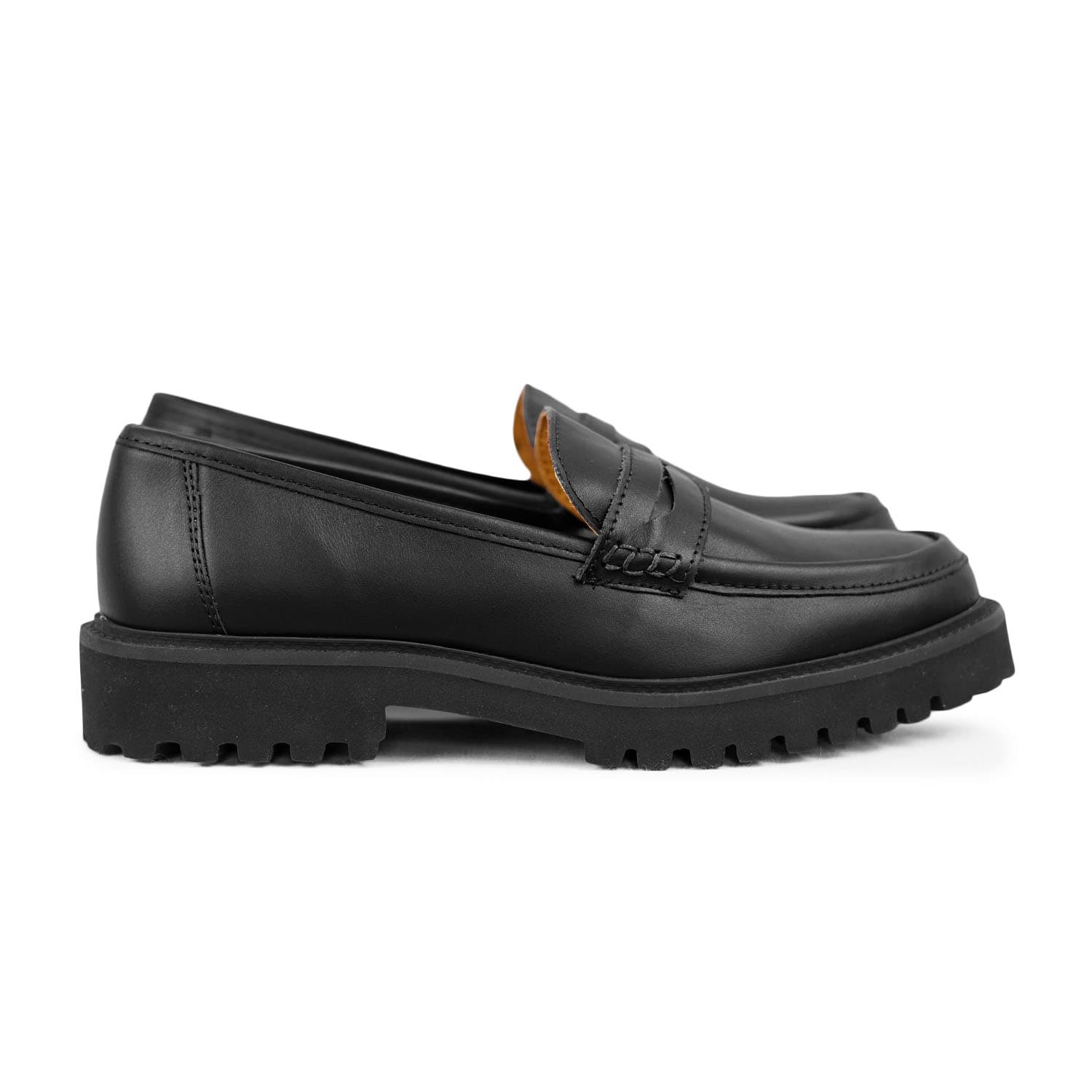
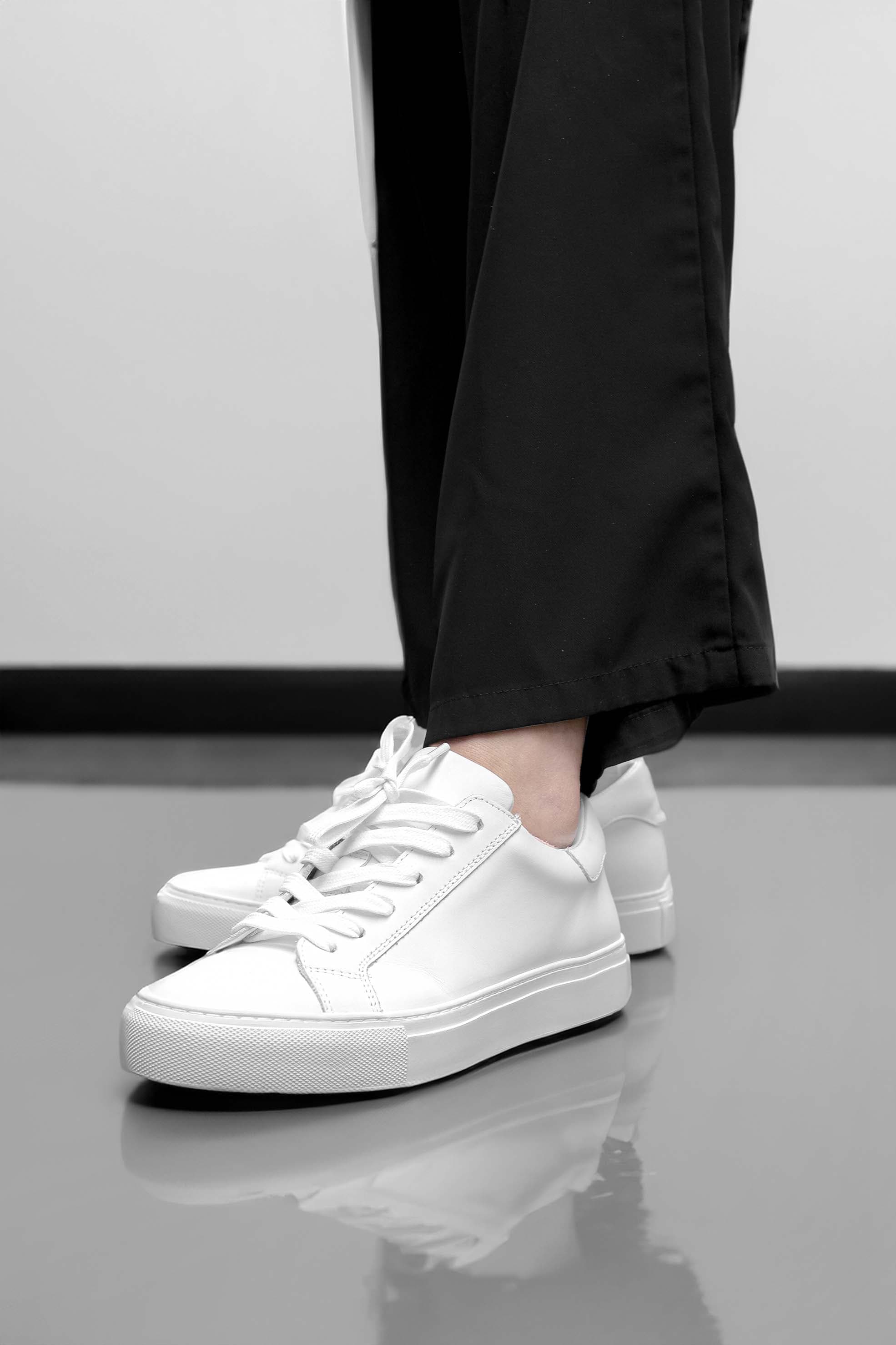
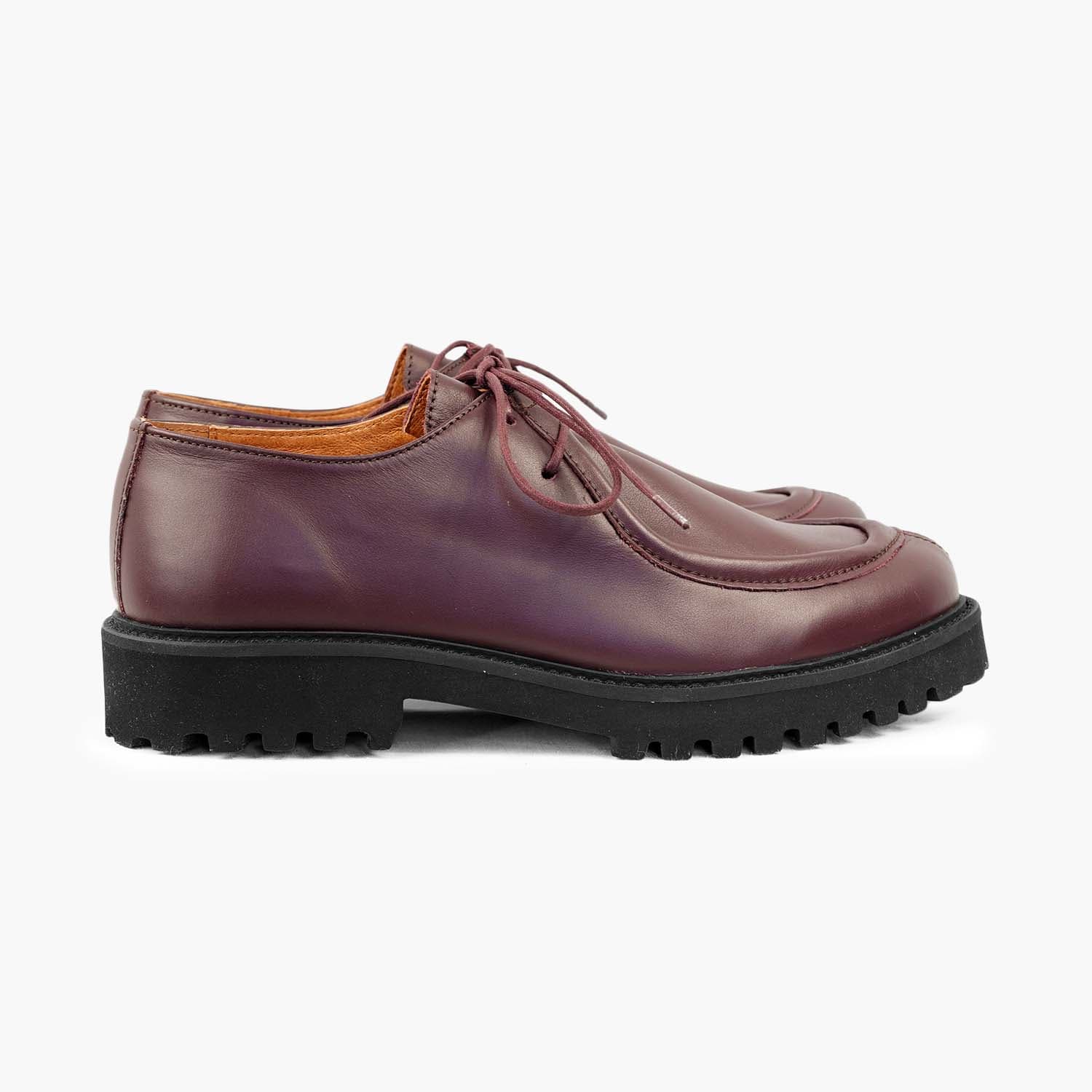
The Skoffier (SRC leather sneaker) for wards with a lot of walking. The Simonetta or the Olivia for roles with more patient contact, where appearance matters too.
Should the employer provide a nursing assistant's shoes?
When a slip risk is identified, which is the case on care wards, slip-resistant footwear counts as PPE and the employer must provide it. Many care homes and clinics run an annual allowance per employee.